
Understanding Eye Conditions in Dogs: Early Warning Signs of Cataracts & Glaucoma
Key Clinical Takeaways
- Cloudiness or a bluish haze is an early signal that demands immediate clinical evaluation.
- Glaucoma is an emergency condition; sudden redness and dilated pupils can lead to irreversible blindness within 24-48 hours.
- Modern microsurgical techniques, like phacoemulsification, offer very high success rates for cataract removal.
- Routine checkups catch eye pressure abnormalities before irreversible nerve damage occurs.
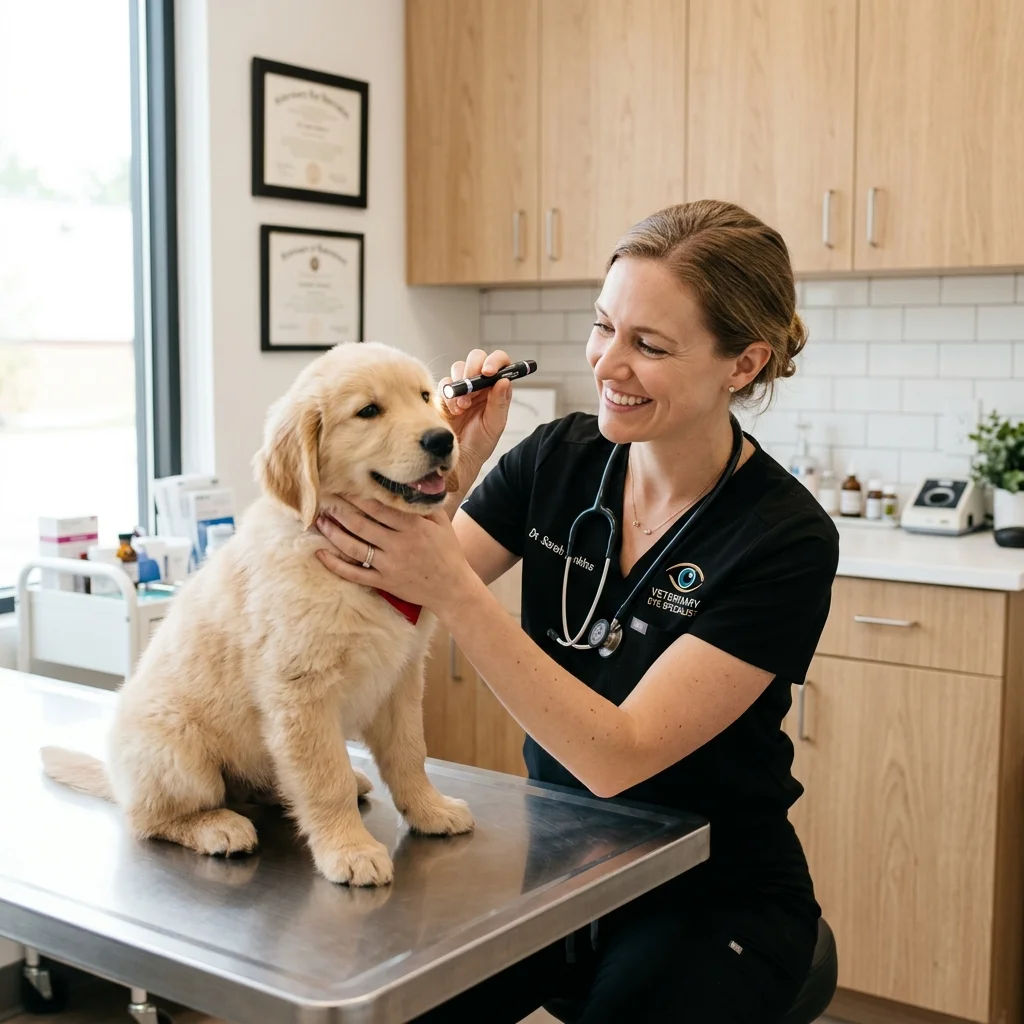
A dog's eyes express pure devotion, but like humans, canines can develop complex ophthalmic issues. Because dogs cannot vocalize subtle blurriness or pain, early detection falls upon pet parents and routine veterinary examinations. Cataracts, corneal ulcers, and glaucoma are among the most frequent ocular conditions we treat in our specialized ophthalmology theater.
1. Cataracts vs. Nuclear Sclerosis
Many senior dog parents notice a slight grey-blue haze in their dog's pupils. Often this is nuclear sclerosis, a normal hardening of the lens fibers that doesn't blind the dog. In contrast, true cataracts are opaque protein deposits that block light entirely. Cataracts frequently develop due to genetics, trauma, or underlying conditions like canine diabetes.
- Monitor your dog's hesitation when stepping into dimly lit rooms or descending stairs.
- Watch for pawing at the face or bumping into familiar furniture.
2. The Danger of Silent Glaucoma
Glaucoma occurs when fluid within the eyeball cannot drain properly, causing painful spikes in intraocular pressure (IOP). This severe pressure crushes the delicate optic nerve. Unlike cataracts, glaucoma requires immediate intervention with topical hypotensive drops or surgical shunts to preserve vision.
- Never ignore a suddenly bloodshot eye, especially if accompanied by squinting and lethargy.
- Schedule tonometry pressure testing during every annual comprehensive checkup.
3. Advanced Surgical Options at Happy Pets
Our clinic is equipped with dedicated operating microscopes and specialized ophthalmic instruments. For cataracts, phacoemulsification breaks down the diseased lens using ultrasonic vibrations, followed by the insertion of an artificial intraocular lens (IOL) to restore vibrant eyesight.
Final Thoughts
Your pet's eyes are their window to the world. If you notice tearing, cloudiness, redness, or changes in behavior, never wait. Reach out to the veterinary team at Happy Pets Manjeri for an expert ophthalmology assessment.
Consult With Our Veterinary Team
If your companion is showing similar symptoms, don't wait. Schedule a consultation at our Manjeri clinic today.